
Most sponsors want institutional capital, and it’s easy to see why. One relationship, one conversation, one check that can cover $10M or more. Family offices can go even bigger. If you have an extensive network, that path is faster and cleaner than chasing dozens of smaller investors.
We get it. It’s relationship-based, and relationships are how this business has always worked.
But here is what shouldn’t be ignored. While you pursue those big checks, why not build your own pipeline of investors? People you generate, nurture, and turn into your most reliable network. The ones who trust you and invest with you offering after offering.
The Numbers Behind the Shift
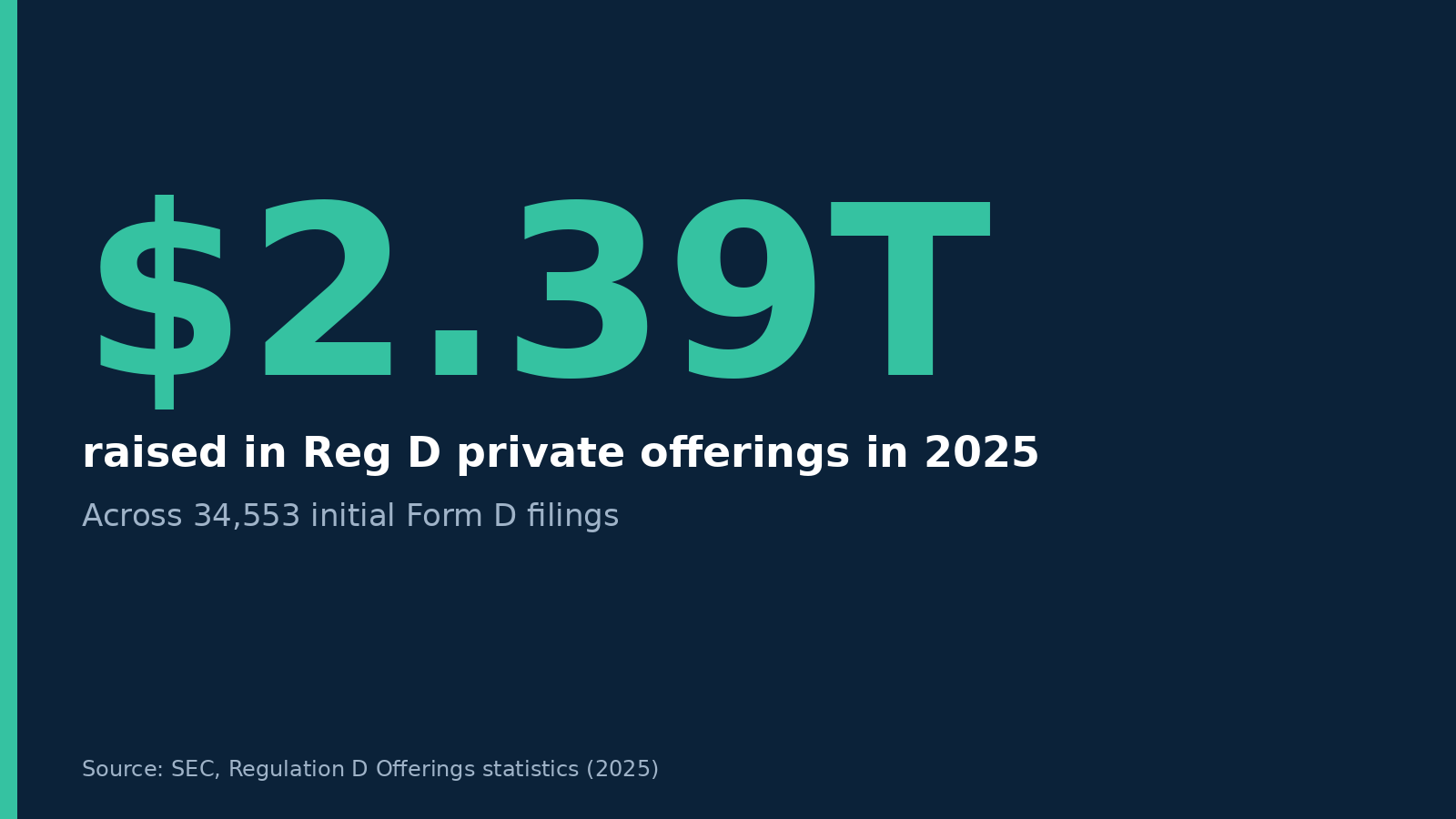
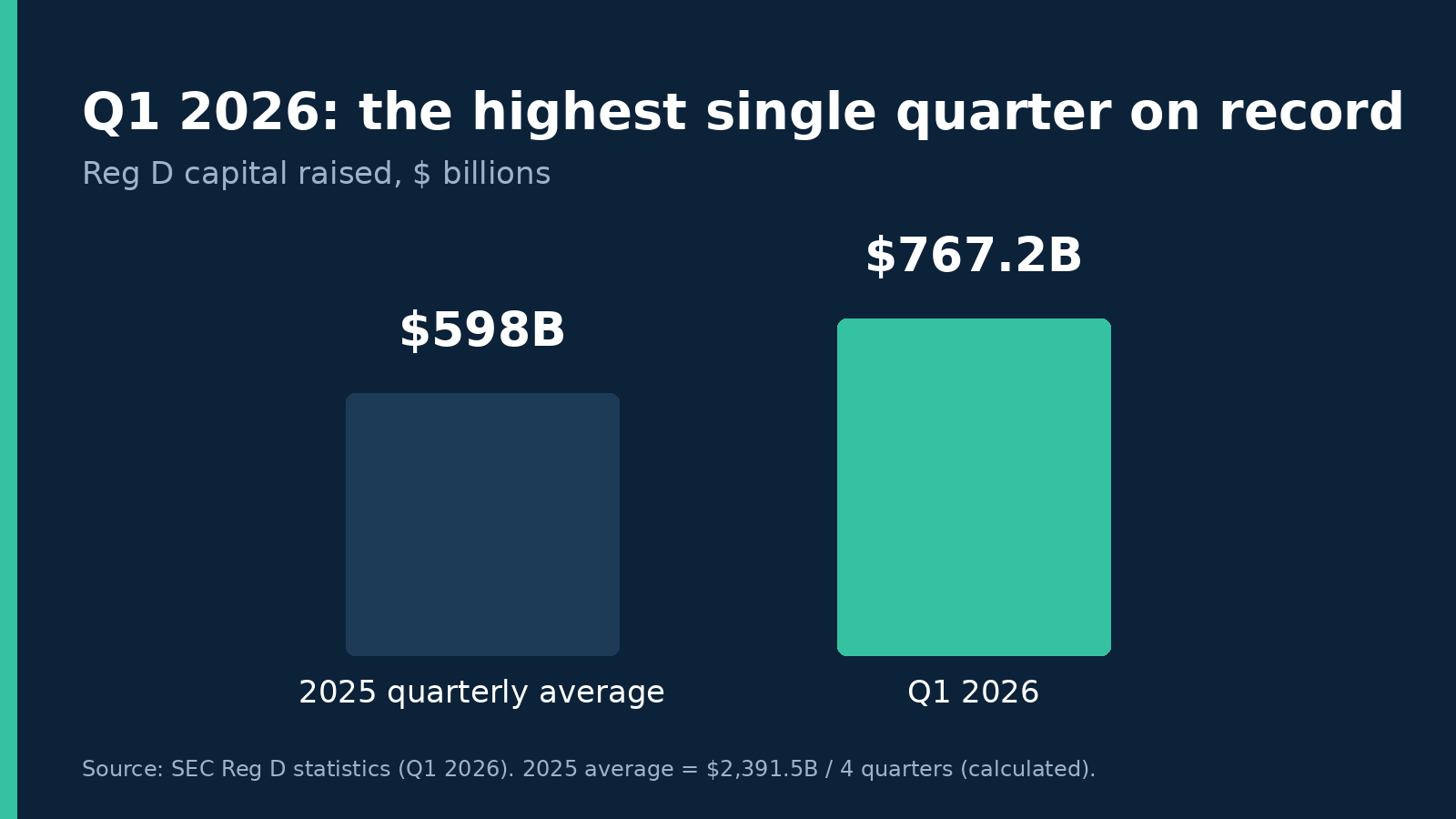
Private capital is not a niche anymore. In 2025, Reg D offerings raised $2,391.5 billion across 34,553 initial Form D filings. Q1 2026 alone brought in $767.2 billion, the highest single quarter on record.
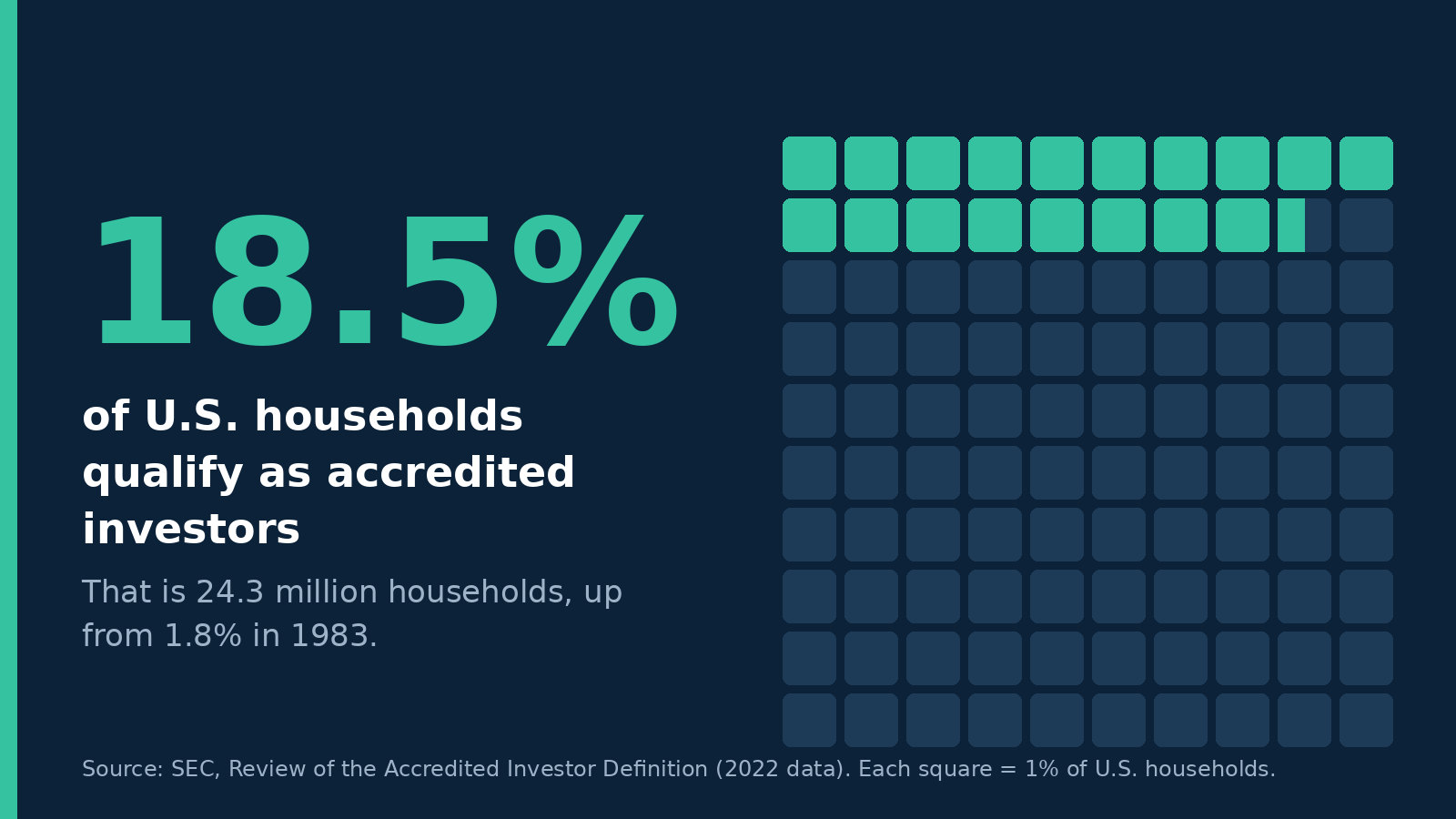
The pool of people who can invest keeps growing too. The SEC says 24.3 million households, or 18.5% of all U.S. households, qualify as accredited investors, up from 1.5 million households, or 1.8%, in 1983.
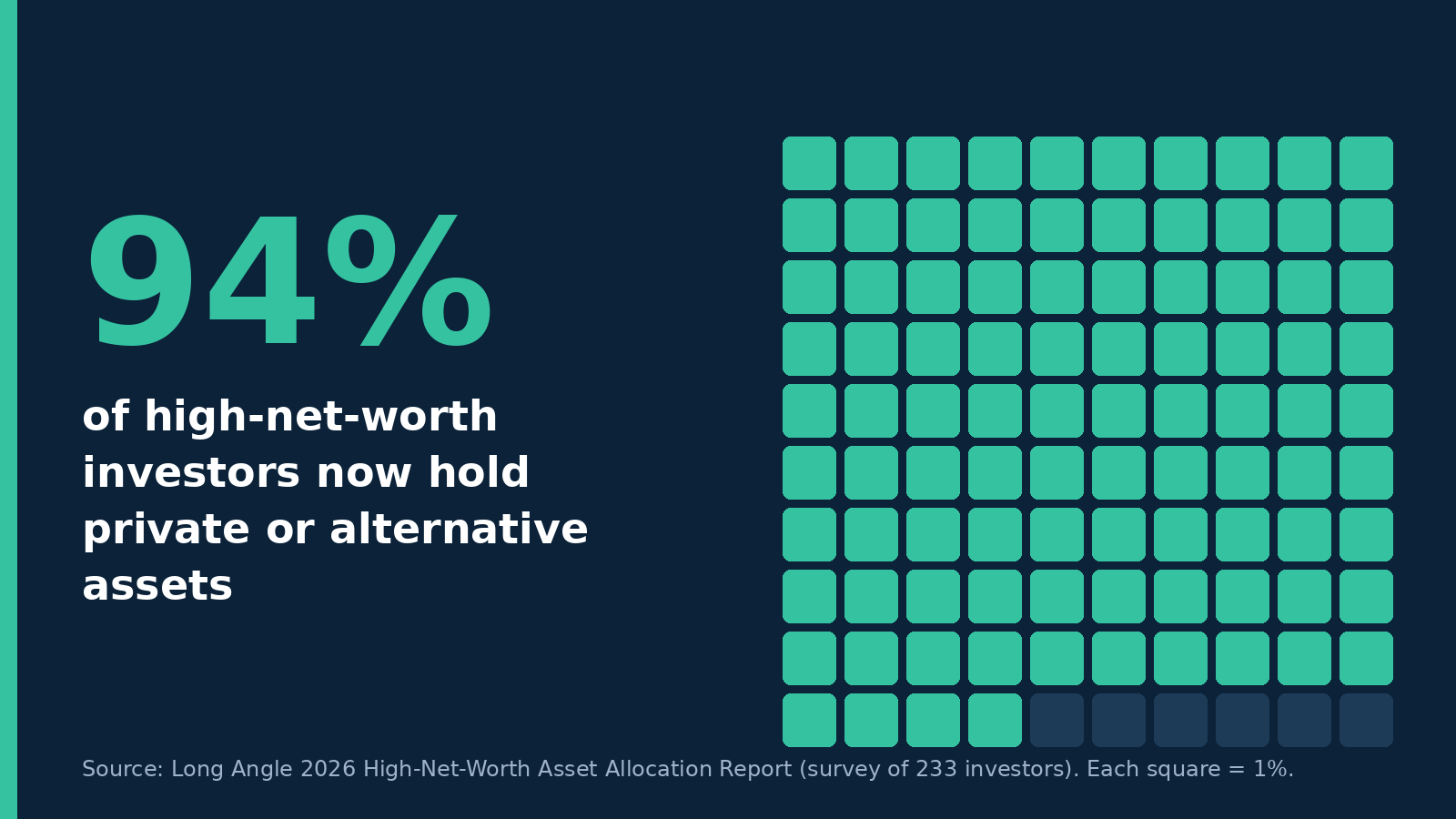
Wealthy individuals are already leaning into private markets. 94% of high-net-worth investors now hold private or alternative assets, according to Long Angle’s 2026 report. They place about 31% of their investable portfolio into private markets and alternatives.
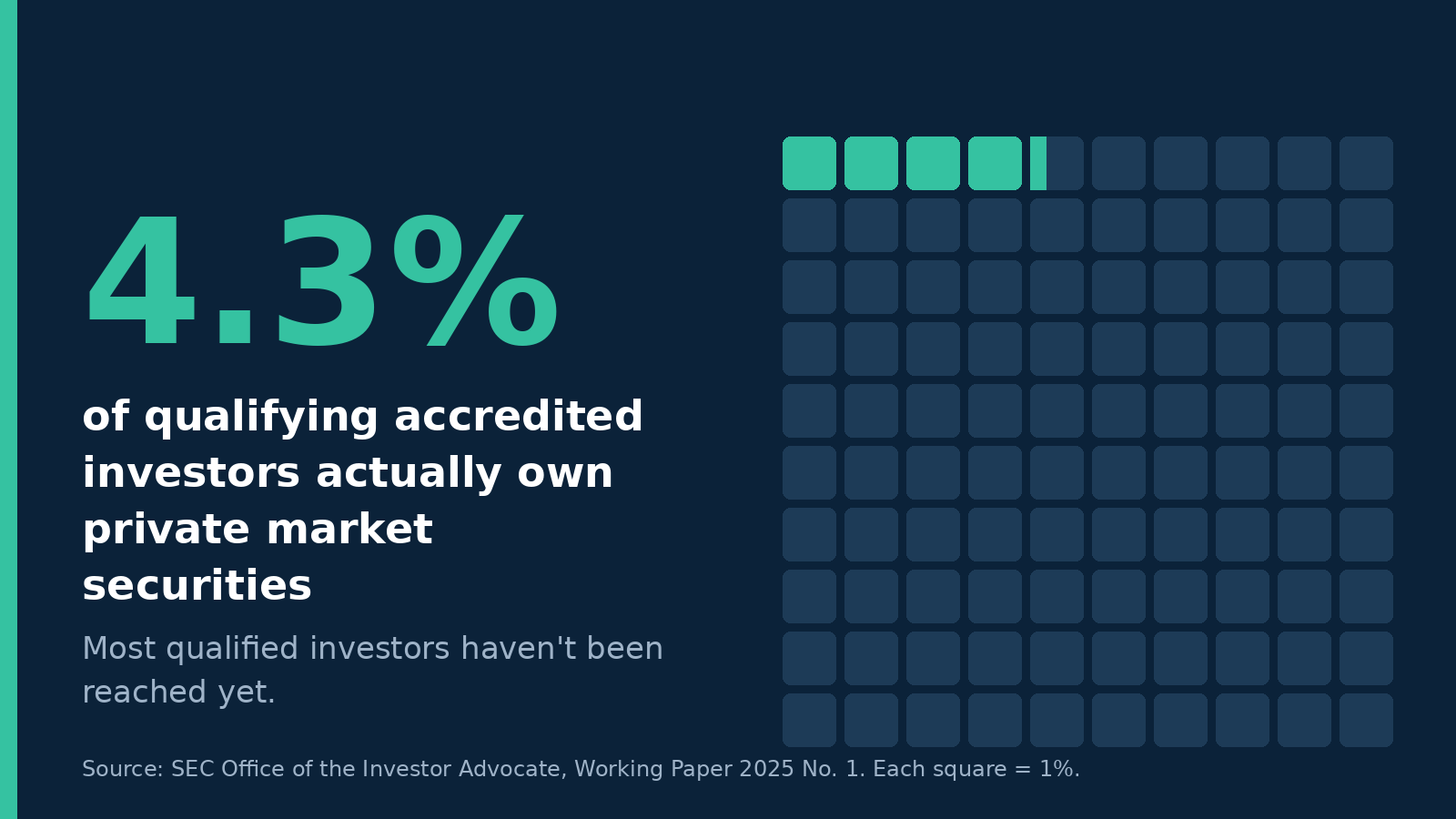
Now the opportunity. Only 4.3% of Americans who legally qualify as accredited investors actually own private market securities. Demand is rising and most qualified investors haven’t been reached yet. The sponsors who educate them first will earn their trust first.
It’s also easier to market compliantly than it used to be. A March 2025 SEC staff no-action letter accepts high minimum investments as a way to verify accredited status under Rule 506(c).
Why Direct Capital Matters
Institutional money is powerful, but it is concentrated. A few decision makers control it, and a deal can stall for months because of one committee meeting or one policy shift.
A direct investor base is yours. You control the relationship, the communication, and the timing. When the next offering comes, you aren’t starting from zero. You’re sending an update to people who already know your track record. And checks in the $100,000 to $1M+ range from accredited individuals add up fast, without waiting on anyone’s approval.
Institutional capital fuels the big moves. Direct capital keeps you moving when the big moves are delayed.
Pain Point 1: “We Don’t Want Hundreds of Investors.”
Fair. Nobody wants 200 phone calls. The fix is a system, not a bigger team. An automated sales system educates, qualifies, and sorts investors before they reach you. It sends the right content at the right time, tracks who engages, and shows you who is serious. You aren’t talking to hundreds of people. You’re talking to the 15 or 20 who are informed, ready, and able to write meaningful checks.
Pain Point 2: “It’s Too Much Work, and We Don’t Have Time.”
Also fair. The answer is to build once and let it run. Your story, educational content, follow-up sequences, and tracking are set up front. After that, email sequences nurture, webinars and videos educate on your behalf, and reporting tells you who to call and when. A partner or team can run the day-to-day so you only take the conversations that matter.
The Simple Truth About How Investors Decide
Investors rarely write big checks to people they just met. They write them to people they understand and trust. Trust comes from consistent communication and education over time. Most sponsors don’t do it, which is the opportunity.
Keep going after the institutional checks. But don’t leave direct capital on the table. We’ve helped raise $200M+ in direct capital simply by communicating with investors and educating them.
If you want a pipeline of investors who come back offering after offering, let’s talk.
This article is for educational purposes only and is not legal, tax, or investment advice. Consult qualified advisors about your specific circumstances and offering.